
Simple Ways to Reset Your Energy, Focus & Eating Routine After Summer
Summer has a way of changing our rhythm.
Vacations. Later nights. Meals on the go. More dining out. Maybe a few more cocktails. And schedules built around whatever the day brings.
Then Fall arrives.
Suddenly, your calendar is full again. Work gets busier. School and activities start. You're thinking about dinner while answering emails, running errands, or figuring out who needs to be where.
Your schedule may be ready for Fall. But your body and brain might still be catching up.
Maybe you're more tired than usual. Your concentration isn't quite there. You're reaching for snacks every afternoon. Your stomach feels a little off. Your clothes feel different.
Or maybe you're simply thinking:
“I need to get myself back on track.”
The good news? You don't need a detox, complicated diet, or cabinet full of supplements.
Your blood sugar, hydration, gut health, sleep, and everyday food choices can all influence how energized, focused, and satisfied you feel.
And you don't need to change everything at once.
Start by Giving Your Gut a Little Support
Summer eating often looks different from the rest of the year.
Between vacations, irregular meals, restaurant food, celebrations, and eating whatever is convenient, you may not have been getting the variety of foods your gut thrives on.
That's ok.
Instead of trying to “clean up” your diet, think about what you can add back in.
Fiber
Fiber supports digestion and helps feed many of the beneficial bacteria living in your gut.
You'll find it naturally in:
- Whole grains
- Vegetables
- Fruits
- Beans and lentils
- Nuts and seeds
If you've been eating less fiber lately, increase it gradually and remember to drink plenty of fluids. Adding too much too quickly can actually leave you feeling more bloated or uncomfortable.
Prebiotics + Probiotics
Prebiotic foods help feed beneficial gut bacteria. Try onions, garlic, asparagus, berries, beans, and oats.
Probiotic foods contain live microorganisms and can include yogurt with live cultures, kefir, kimchi, sauerkraut, and miso.
🍂 Nutopia Tip
Don't try to overhaul your gut health overnight.
Start by adding ONE additional plant food to something you're already eating.
A handful of berries with breakfast counts!
Steady Blood Sugar = Steadier Energy & Focus
Ever feel like you're doing fine in the morning and then completely run out of steam by 2 or 3 p.m.?
Or you're suddenly hungry and searching for something sweet an hour or two after eating?
What you eat—and what you eat together—can affect how quickly your blood sugar rises and falls. For some people, those changes may show up as fatigue, hunger, headaches, or difficulty concentrating.
A few simple habits can help.
Don't Regularly Skip Meals
Skipping meals can leave you overly hungry later and make balanced choices much harder.
Eating something nourishing earlier in the day can help establish a steadier rhythm.
Pair Carbohydrates Instead of Fearing Them
You don't need to eliminate carbohydrates.
Instead, try pairing them with protein, fiber, or healthy fats:
- Apple + peanut butter
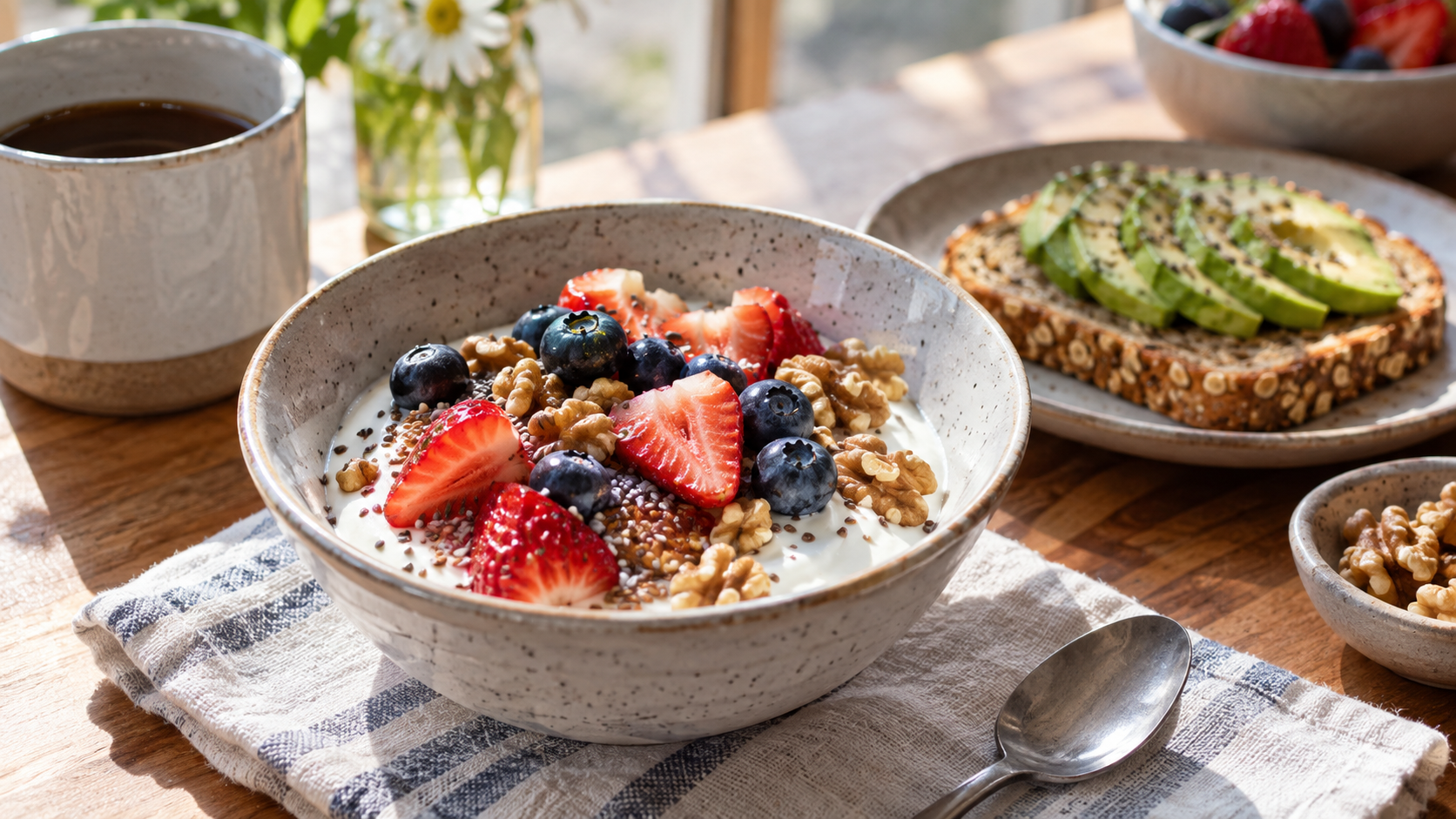
- Berries + Greek yogurt
- Fruit + cottage cheese
- Whole-grain toast + eggs
These combinations can make meals and snacks more satisfying while supporting a steadier blood sugar response.
Make Room for Vegetables
Vegetables provide fiber, nutrients, and volume. When it works for the meal, aim to make vegetables about half your plate.
No weighing or measuring required.
Take a Short Walk After Eating
Movement helps your muscles use glucose for energy.
Even a short walk after a meal can add movement to your day—and may give you an energy and stress-relieving boost at the same time.
Protect Your Sleep
Aim for about 7–9 hours when possible.
Too little sleep can affect hunger, cravings, mood, concentration, and blood sugar regulation.
🍂 Nutopia Tip
Don't focus on making every meal “perfect.”
Try this simple question instead:
“What could I add to make this meal a little more balanced?”
Wondering about your own blood sugar?
If you've recently been told your glucose or A1C is elevated—or you're worried about a family history of diabetes—you don't need to figure out what to eat by yourself.
A Registered Dietitian Nutritionist can help you understand how your everyday food choices, movement, sleep, and lifestyle fit together. Nutopia offers personalized nutrition counseling, and most major New Jersey insurance plans are accepted. Schedule A No Fee Discovery Call
5 Foods to Add Back Into Your Fall Routine
You don't need expensive “superfoods” or a perfect meal plan.
Instead, focus on everyday foods that provide nutrients your brain and body need.
1. Leafy Greens
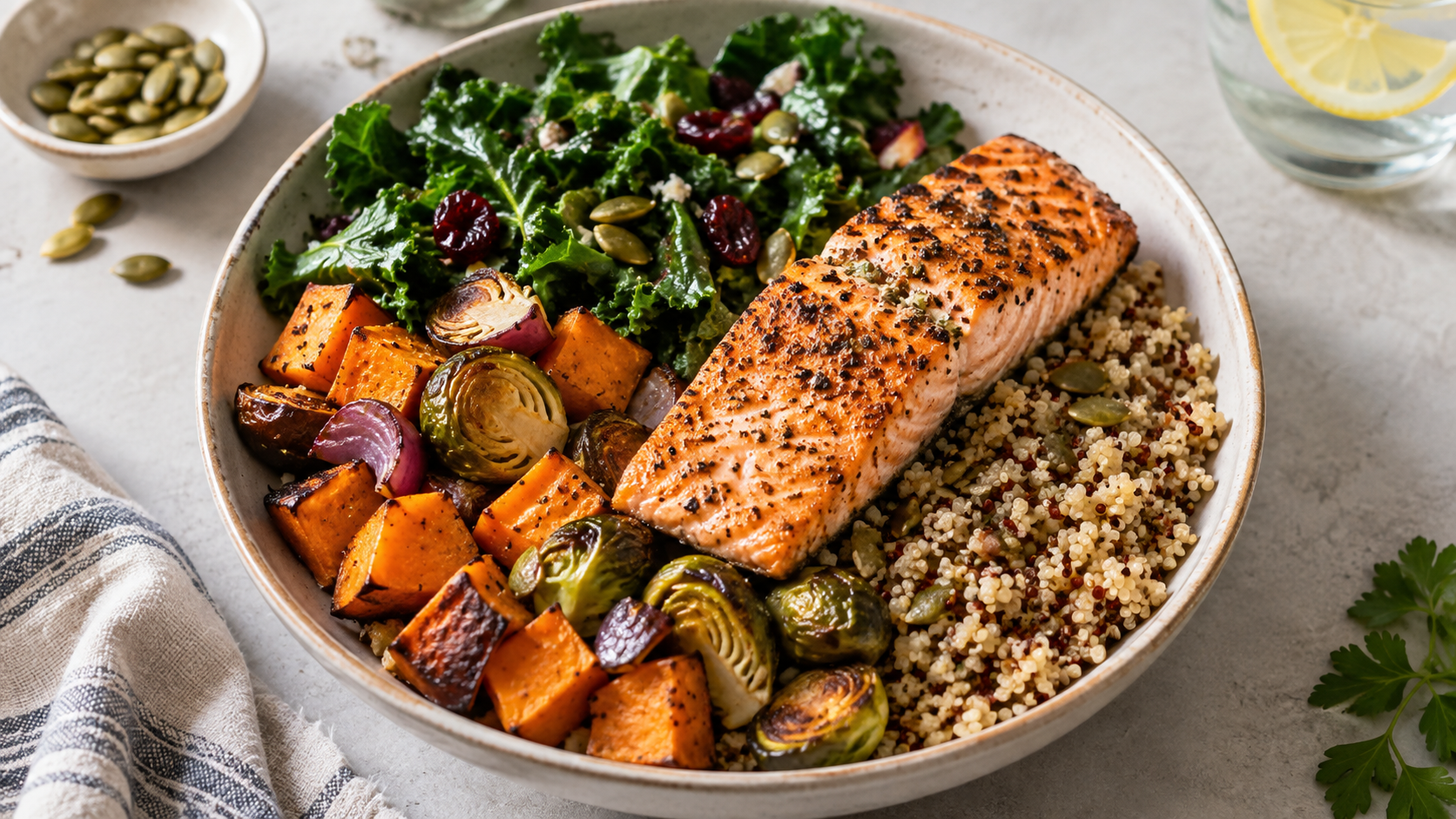
Spinach, kale, broccoli, and other green vegetables provide important nutrients including vitamin K, folate, and carotenoids.
Add spinach to eggs, toss greens into soup, blend some into a smoothie, or add broccoli to a quick weeknight bowl.
2. Fatty Fish
Salmon, sardines, trout, and herring provide omega-3 fatty acids that play important roles in brain and cardiovascular health.
Walnuts, flaxseed, chia seeds, and hemp seeds provide plant-based omega-3 fats as well.
Easy shortcut: Keep canned or pouched salmon or tuna available for lunches when you don't have time to cook.
3. Berries
Berries provide fiber along with colorful plant compounds called flavonoids.
Fresh or frozen both count.
Add them to oatmeal, yogurt, cottage cheese, or a smoothie.
4. Protein-Rich Foods
Protein helps make meals satisfying and supports muscle maintenance—especially important as we age, become more active again, or work toward weight-loss goals.
Easy choices include:
- Greek yogurt or cottage cheese
- Eggs
- Chicken or turkey
- Salmon or tuna
- Beans and lentils
- Tofu or edamame
- Nuts and nut butters
Instead of obsessing over protein numbers, start with one simple question:
“Where's my protein?”
5. Water-Rich Foods + Fluids
When your schedule gets busy, hydration can easily become an afterthought.
Keep a water bottle where you work. Drink something with meals. Pair your afternoon snack with a glass of water.
And remember—water isn't the only way to hydrate.
Tea, coffee, milk, smoothies, soups, fruits, vegetables, and other beverages can contribute to your overall fluid intake.
Want more ideas? Read my blog post Beyond Water: Simple Ways to Hydrate for Energy & Everyday Living for easy ways to stay hydrated when plain water isn't cutting it.
“I'm Eating Pretty Well. Why Do I Still Feel Off?”
This is where Fall can feel frustrating.
You're doing many of the “right” things. But you're still tired. You're hungry at night. Your clothes feel tighter. You're more bloated. Your concentration isn't what it normally is.
Or the scale doesn't respond the way it used to.
Especially as we move through our 30s, 40s, and 50s, nutrition doesn't exist in a vacuum.
Stress, sleep, hormones, muscle mass, activity, eating patterns, and blood sugar regulation can all be part of the bigger picture.
That doesn't necessarily mean you need to try harder.
Sometimes you simply need to understand what your body and lifestyle need now.
ONE Simple Step You Can Take Today

Don't start another “Fall reset.”
Instead, choose ONE thing you can realistically do this week.
Maybe it's:
- Eating a protein-rich breakfast
- Adding berries to your yogurt or oatmeal
- Adding another vegetable at dinner
- Keeping a balanced snack at work
- Filling your water bottle before starting your day
- Taking a 10-minute walk after dinner
- Going to bed 30 minutes earlier
That's it.
You can always build from there.
🍂 Nutopia Tip
Consistency doesn't require perfection.
The small habit you can repeat on a busy Tuesday is probably more valuable than the “perfect” routine you can only follow for a week.
Frequently Asked Questions
Why am I so tired after Summer?
Changes in sleep, meal timing, hydration, activity, stress, and your daily routine can all influence how energized you feel. Rather than trying to fix everything at once, start by getting meals, hydration, movement, and sleep back into a consistent rhythm.
What should I eat for more energy and focus?
Build meals around a combination of protein + fiber-rich carbohydrates + vegetables or fruit + healthy fats.
This can help make meals more satisfying while supporting steadier energy throughout the day.
How can I get my eating back on track without dieting?
Start by adding, rather than immediately restricting.
Add protein to breakfast. Add vegetables to dinner. Add fruit to a snack. Add water to your afternoon routine.
Small additions can naturally improve the overall balance of your eating pattern.
Why isn't what worked for weight loss before working anymore?
Weight can be influenced by many factors, including eating patterns, activity, sleep, stress, medications, muscle mass, age, and hormonal changes.
Rather than simply eating less or exercising more, individualized nutrition counseling can help identify which factors may be most relevant for you.
The Bottom Line
Your schedule doesn't need another complicated wellness plan.
Fall can already make it feel like everything needs your attention at once. Work. Family. Appointments. Meals. Exercise. And somewhere in there, you're supposed to take care of yourself.
Healthy living shouldn't become one more overwhelming item on your to-do list.
Maybe you're trying to lose weight and what worked five years ago isn't working anymore. Maybe your blood sugar or A1C has started creeping up. Maybe you're taking a GLP-1 medication and aren't sure whether you're getting enough protein or other nutrients. (Discover how to eat and protect muscle while on a GLP-1)
Or maybe you're simply tired of wondering:
“What am I supposed to eat?”
You don't have to figure it out alone.
At Nutopia, we help simplify nutrition around your health, your schedule, your preferences, and your everyday life—without another restrictive diet or unrealistic routine.
Not sure which habit to start with or how to find your Fall rhythm?
That's exactly where personalized nutrition counseling can help.
Nutopia offers personalized nutrition counseling with a Registered Dietitian Nutritionist, and most major New Jersey insurance plans are accepted.
Telehealth appointments make it easier to fit nutrition counseling into an already-busy schedule.
Schedule a No-Fee Discovery Call to see whether personalized nutrition counseling is right for you and whether your insurance may cover your visits.
Let's head into Fall feeling more energized, focused, and confident—not because you're starting over, but because you're creating a lifestyle you can love.